Magnesium Die Casting
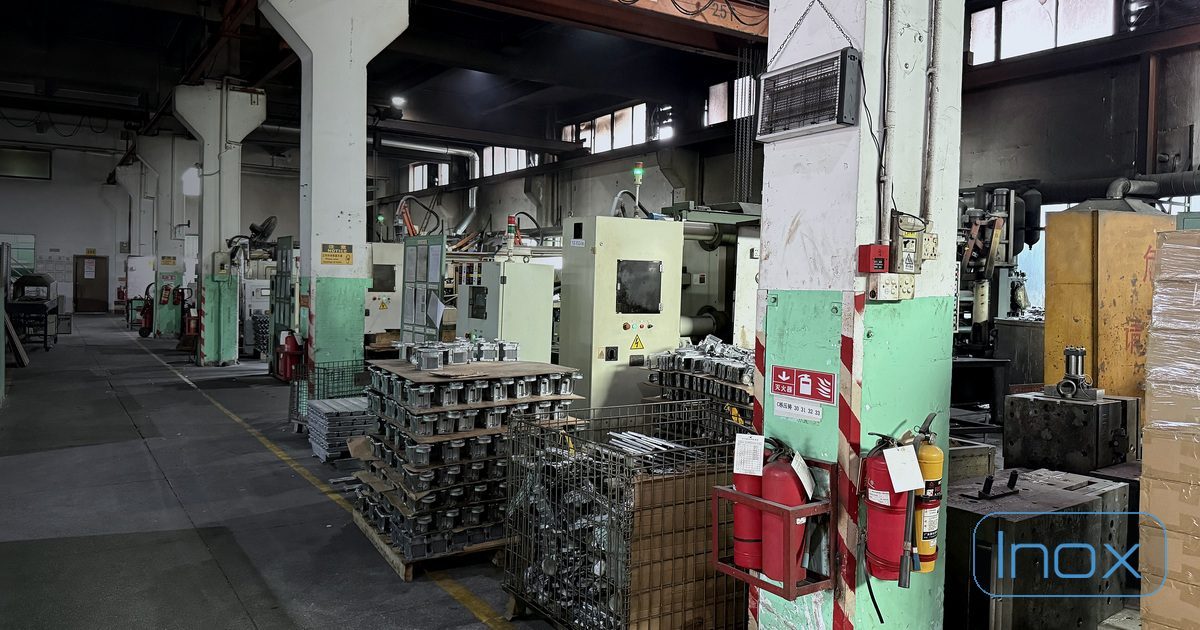
Magnesium is our newest line, and we say so up front. We added it because lightweighting demand kept arriving in our quotes — from electric motorcycles and e-bikes, from automotive programs, from housings that had to lose weight without losing stiffness. We run AZ91D and AM60B, we have semi-solid (thixomolding) equipment alongside conventional die casting, and our largest machine is a 4,000-tonne L.K. that casts aluminum or magnesium depending on the melting and feeding setup.
Because it is new, the honest advice is the same advice we would give about any supplier: ask what has actually run on the line, not what the line can theoretically do. This page explains what magnesium is good at, which of the two alloys suits which job, and how semi-solid differs from conventional die casting — so the conversation at review starts in the right place.
What is magnesium die casting, and when is it worth it?
Magnesium die casting injects a magnesium alloy — usually AZ91D or AM60B — into a hardened steel die under high pressure. Magnesium is the lightest structural metal: about two-thirds the weight of aluminum for the same volume, with good stiffness for its weight and thin-wall fluidity. It earns its premium when weight decides the design. Inox Die Cast runs magnesium as its newest line, in AZ91D and AM60B, including semi-solid (thixomolding) equipment.
At a glance
- Magnesium weighs about two-thirds of aluminum for the same volume
- AZ91D for strength and castability; AM60B where parts must bend, not crack
- Semi-solid (thixomolding) injects a slurry instead of fully molten metal
- Our newest line — largest machine a 4,000-tonne L.K., aluminum or magnesium
Why Engineers Reach for Magnesium
Weight first. A magnesium die casting alloy is about 1.8 g/cm³, against roughly 2.7 for aluminum and 6.6 for zinc. Swap an aluminum housing for magnesium at the same geometry and it loses about a third of its mass. That is the whole reason most programs look at magnesium, and the reason lightweighting has pushed it from niche to mainstream in electric two-wheelers and vehicles.
Stiffness per gram is the second reason. Magnesium is less stiff than aluminum in absolute terms, but light enough that a part designed for magnesium — with ribs placed where the load runs — often ends up both lighter and adequately stiff. Designing the part for the metal matters more here than with aluminum; a straight material swap on an aluminum design rarely shows magnesium at its best.
Magnesium also casts thin. It flows readily in the die and fills thin sections well, which is why laptop and camera bodies are among its best-known uses. It damps vibration better than aluminum, which matters on parts near motors and gear trains. And it shields electromagnetic interference, so electronics enclosures get a shield for free with the structure.
There is a quieter advantage in the tool room: molten magnesium has little tendency to solder onto steel, and it carries less heat into the die per shot than aluminum. Dies for magnesium generally run longer before they need repair than comparable aluminum dies. Over a long program, that offsets part of the higher alloy price.
The trade-offs are real and belong in the same conversation. Per kilogram, magnesium alloy costs more than aluminum; per part the gap narrows because the part weighs less, but it rarely disappears. Magnesium corrodes readily if left bare or bolted directly to steel, so almost every magnesium part needs a conversion coating and a sealing finish, and joints to other metals need isolation. And magnesium fines from machining are flammable, so the machining and dust handling must be done properly. None of these are reasons to avoid magnesium. They are reasons to design for it deliberately.
AZ91D or AM60B — and Where Semi-Solid Fits
Most magnesium die castings are one of two alloys, both covered by ASTM B94. The letters name the main alloying elements and the numbers their approximate percentages; the final letter marks a high-purity grade with tight limits on iron, nickel and copper, which is what gives the modern alloys their corrosion resistance.
AZ91D carries about nine percent aluminum and a little under one percent zinc. It is the workhorse: the best castability of the magnesium alloys, good strength and hardness, and the usual choice for housings, covers, brackets and enclosures where the part is stiff and is not expected to deform. If you are asking for magnesium and have not named an alloy, AZ91D is where the review starts.
AM60B has about six percent aluminum with manganese instead of zinc. It gives up some strength for noticeably better ductility — it bends before it cracks — and absorbs impact energy. That is why it is the alloy behind steering wheel armatures, seat frames and instrument panel beams, and why it suits frame and structural parts on two-wheelers that must survive a knock rather than shatter. The choice between the two is usually a choice about how the part is allowed to fail.
Semi-solid processing — thixomolding — is a different route to a similar part. Instead of melting magnesium in a furnace and ladling or pumping it into the shot system, magnesium chips are fed into a heated barrel, where a screw shears them into a slurry that is partly solid and partly liquid, and injects it into the die. There is no open bath of molten magnesium to protect, and because the slurry enters the die partly solidified, it shrinks less and traps less gas than fully molten metal.
In practice that means semi-solid parts tend to have lower porosity and better dimensional stability, which helps thin-walled housings and parts that will be finished cosmetically. Conventional die casting remains the better economic choice for many parts, and larger parts often belong on a conventional cold-chamber machine. We have both, so the decision gets made on your part rather than on what our floor happens to own.
On machine size: our largest machine is a 4,000-tonne L.K. Whether a machine casts aluminum or magnesium is decided by the melting and feeding equipment attached to it, not by the press itself, so that capacity is available to both metals. It puts large housings and mid-size structural parts within reach. It is not a gigacasting press, and we will not pretend it is.
Where Magnesium Earns Its Premium
Electric two-wheelers: motor and controller housings, frame nodes, brackets and covers on e-motorcycles and e-bikes, where every kilogram shows up in range and handling. Automotive: steering wheel armatures, seat frames, instrument panel beams, transfer case and transmission housings, and weight-critical brackets. Electronics: laptop, tablet and camera bodies, drone frames, and enclosures that need EMI shielding built into the structure. Tools and equipment: power tool housings and handheld equipment where the user carries the weight all day.
These are the categories magnesium is known for across the industry, listed so you can judge whether your part belongs here. They are not a client list — magnesium is our newest line, and we will tell you plainly what has and has not run on it.
Representative application illustration — not a record of a specific customer program.
Magnesium, Aluminum or Zinc
Qualitative directions to frame the review — every row gets settled against your actual part:
| Dimension | Magnesium (AZ91D / AM60B) | Aluminum (A380 / ADC12) | Zinc (Zamak 3 / 5) |
|---|---|---|---|
| Density | About 1.8 g/cm³ — lightest | About 2.7 g/cm³ | About 6.6 g/cm³ — heaviest |
| Choose it when | Weight decides the design | Strength, heat and cost must balance | Small precise parts, plating, fine detail |
| Thin walls | Very good | Good | Excellent — thinnest of the three |
| Corrosion | Needs conversion coating and sealing; isolate from steel | Good bare; usually finished anyway | Good; plates beautifully |
| Die life | Generally long — little soldering | Shortest of the three | Long — low casting temperature |
| Alloy price per kg | Highest | Moderate | Moderate |
| Process routes we run | Conventional die casting and semi-solid (thixomolding) | Cold chamber | Hot chamber |
Frequently Asked Questions
Is magnesium a new line for you?
Yes — it is our newest line, added because lightweighting demand from electric two-wheelers, automotive and electronics kept showing up in our quotes. We run AZ91D and AM60B, with semi-solid (thixomolding) equipment alongside conventional die casting. Ask us what has actually run on the line; a supplier who will not answer that question about a new capability is telling you something.
What is the difference between thixomolding and magnesium die casting?
Conventional die casting melts magnesium in a furnace and injects fully molten metal. Thixomolding feeds magnesium chips into a heated barrel, where a screw shears them into a semi-solid slurry and injects that. With no open molten bath and a partly solidified charge, thixomolded parts usually show less porosity and shrinkage, which suits thin housings and cosmetic parts. Conventional die casting is often more economical, especially for larger parts. We run both, so the route is chosen per part.
Should I use AZ91D or AM60B?
AZ91D if the part must be strong and stiff and is not expected to deform — housings, covers, brackets. AM60B if the part must absorb a knock by bending rather than cracking — seat frames, steering wheel armatures, structural parts on two-wheelers. Both are high-purity grades under ASTM B94, and the decision is really about how the part is allowed to fail.
Is magnesium more expensive than aluminum?
Per kilogram of alloy, yes. Per part, the gap narrows because a magnesium part weighs about two-thirds of the same aluminum part, and dies for magnesium generally last longer. Whether the total comes out ahead depends on what the saved weight is worth to your product — which is a question about your product, not about the casting.
Does magnesium corrode, and is it safe?
Bare magnesium corrodes readily, and it corrodes fast when bolted directly to steel. The high-purity alloys plus a conversion coating and a sealing paint or powder coat solve this for most products, and joints to other metals need insulating washers or coatings. Solid magnesium parts are not a fire hazard in normal use; the hazard is fine chips and dust during machining, which have to be handled properly on the shop floor.
How large a magnesium part can you cast?
Our largest machine is a 4,000-tonne L.K., and whether it runs aluminum or magnesium depends on the melting and feeding setup, not the press. That covers large housings and mid-size structural parts. Whether a specific part fits is settled from its projected area and geometry at the review — send the model and we will tell you which machine and which route.
Where to Go Next
Magnesium review
Tell Us What the Weight Is Worth
Send the part, the weight target and the volume. We will tell you whether magnesium earns its price on your product, which alloy and route fit, and what has already run on our line.
Last reviewed October 2026 · Inox Die Cast, Dongguan