Aluminum vs Magnesium Die Casting
Aluminum and magnesium both make lightweight cast housings, brackets and structural parts. Aluminum balances strength, heat handling and cost; magnesium earns consideration when weight decides the design. At the same volume, magnesium weighs about two-thirds as much as aluminum. That advantage needs to be considered alongside stiffness, corrosion protection and the production route.
Inox Die Cast runs aluminum on cold-chamber lines and magnesium in AZ91D and AM60B, with conventional die casting and semi-solid thixomolding. Magnesium is our newest line, already in series production. This comparison separates the material choice from the process choice so the review can start with what your part needs.
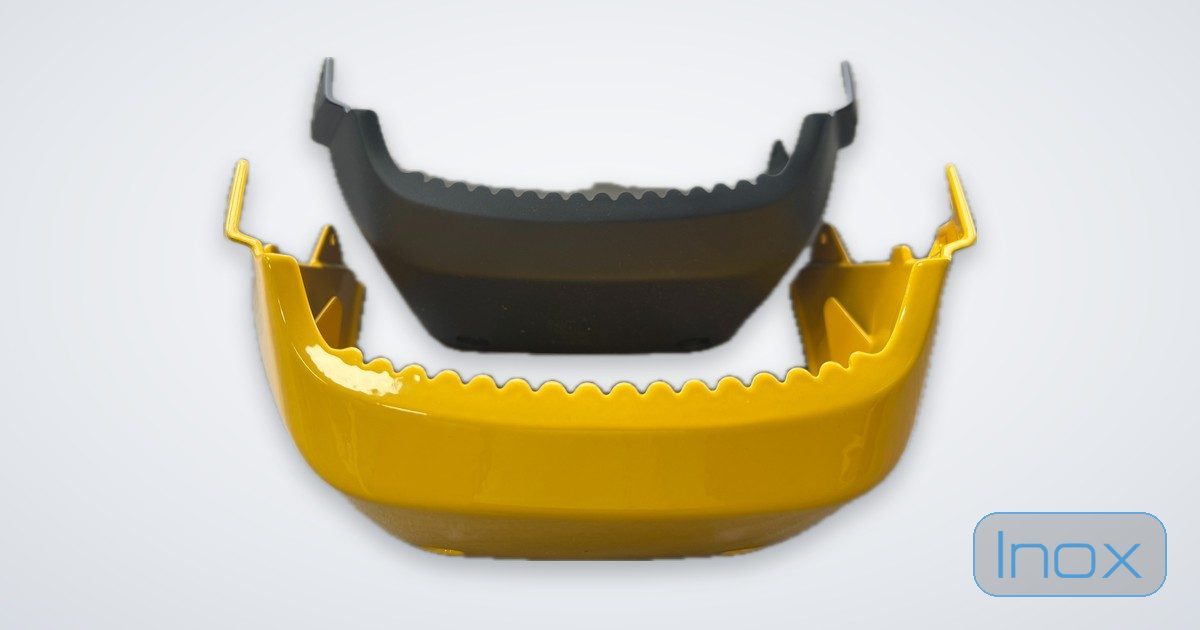
Should I choose aluminum or magnesium die casting?
Choose aluminum when strength, heat handling and cost must balance. Consider magnesium when weight decides the design: it weighs about two-thirds as much as aluminum at equal volume, but needs deliberate stiffness design, corrosion protection and a review of its material premium. For magnesium, compare conventional die casting with semi-solid thixomolding against the actual part.
At a glance
- Magnesium weighs about two-thirds as much as aluminum at equal volume
- Aluminum balances strength, heat handling and cost
- Magnesium needs corrosion protection and a design suited to its stiffness
- Thixomolding injects a semi-solid slurry; conventional casting uses fully molten metal
Weight, Stiffness and Heat: Start with the Function
Magnesium casting alloy is about 1.8 g/cm³, compared with roughly 2.7 for aluminum. An unchanged housing geometry therefore loses about a third of its mass when switched to magnesium. This is the starting point for weight-critical electronics, handheld equipment and electric two-wheelers. The weight saving matters most where the user or vehicle carries the part throughout its working life.
Magnesium is less stiff than aluminum in absolute terms. Good stiffness for its weight does not mean an existing aluminum design should simply be cast in magnesium unchanged. Ribs placed along the load path help a magnesium design remain adequately stiff while reducing mass. Review the loads and geometry together before treating a density comparison as a finished design decision.
Aluminum conducts heat well enough for housings to act as heat sinks. Cooling fins cast into LED fixtures, motor controllers and power-electronics enclosures remove a separate thermal interface. Where thermal duty drives the part, aluminum belongs on the shortlist. The aluminum alloy choice still matters: A380 offers a balance of castability, strength and machinability, while specific conductivity demands can move the review to another grade.
Magnesium fills thin sections well, damps vibration better than aluminum and provides electromagnetic shielding. These characteristics help explain its use in camera and laptop bodies and enclosures near motors. They sit alongside the weight argument; they do not remove the need to review stiffness, finish and assembly conditions.

Corrosion, Tooling and Thixomolding
Aluminum has good corrosion behavior and is usually finished anyway. The right alloy and finish keep it suitable for weather-exposed and washdown environments. Magnesium needs more deliberate protection: bare metal corrodes readily, especially when bolted directly to steel. Almost every magnesium part needs a conversion coating and sealing finish, with isolation at joints to other metals. Include those requirements in the material review.
Magnesium alloy costs more per kilogram than aluminum. The lower mass narrows the material-cost gap per part, but rarely removes it. Magnesium also has little tendency to solder onto die steel and carries less heat into the die per shot, so comparable magnesium dies generally run longer before repair than aluminum dies. These effects belong in a part-specific quotation rather than a universal saving claim.
Conventional die casting injects fully molten metal. Aluminum cold-chamber production ladles metal from a separate furnace into a shot sleeve, then drives it into the die with a plunger. For magnesium, thixomolding offers another route: chips enter a heated barrel, where a screw shears them into a partly solid, partly liquid slurry before injection. There is no open molten magnesium bath to protect.
The semi-solid charge shrinks less and traps less gas than fully molten metal. Thixomolded parts therefore tend to have lower porosity and better dimensional stability, which helps thin housings and cosmetic parts. Conventional magnesium die casting remains more economical for many parts, and larger parts often belong on a conventional cold-chamber machine. Thixomolding is a process option within the magnesium decision, not a reason to skip the material review.
Typical Applications for Each Material
Aluminum suits motor and gearbox housings, automotive brackets, industrial frames, telecom enclosures and power-electronics parts with cast-in cooling fins. The common requirements are structural duty, heat dissipation or a balance of strength and cost.
Magnesium applications include electric two-wheeler housings and frame parts, weight-critical automotive components, laptop and camera bodies, drone frames and power-tool housings. AZ91D is the usual starting point for strong, stiff housings, covers and brackets. AM60B gives up some strength for better ductility and impact-energy absorption where a part needs to bend before cracking. These are representative industry applications, not a client list.
Representative application illustration — not a record of a specific customer program.
Aluminum vs Magnesium: Material and Process Trade-offs
Use these directions to frame a review of the actual geometry, service conditions and volume.
| Factor | Aluminum | Magnesium |
|---|---|---|
| Weight at equal volume | About 2.7 g/cm³ | About 1.8 g/cm³; about two-thirds the weight |
| Stiffness | Higher absolute stiffness than magnesium | Design ribs and geometry for adequate stiffness at lower mass |
| Thermal duty | Conducts heat; cast-in cooling fins suit housings | Consider when weight decides the design |
| Thin sections | Thin walls possible with careful design | Flows readily and fills thin sections well |
| Corrosion protection | Good bare; usually finished anyway | Conversion coating, sealing finish and isolation from steel |
| Die wear | Greater heat input and soldering tendency than magnesium | Generally longer die life than comparable aluminum tooling |
| Alloy cost | Lower alloy price per kilogram than magnesium | Higher per kilogram; lower part mass narrows the gap |
| Production route | Cold-chamber die casting | Conventional die casting or semi-solid thixomolding |
Frequently Asked Questions
Is magnesium lighter than aluminum for the same part?
At the same volume, magnesium weighs about two-thirds as much as aluminum. However, magnesium is less stiff in absolute terms. A design review should consider ribs, loads and geometry rather than assume that changing the metal alone delivers the best magnesium part.
Which is cheaper: aluminum or magnesium die casting?
Magnesium alloy costs more per kilogram. Lower part mass and generally longer die life narrow the gap, but the material premium rarely disappears entirely. Whether magnesium earns its cost depends on the value of the saved weight. Send the geometry and volume for a part-specific comparison.
What is the difference between thixomolding and die casting?
Conventional die casting injects fully molten metal. Magnesium thixomolding feeds chips into a heated barrel and injects a semi-solid slurry. It tends to reduce porosity and shrinkage and improve dimensional stability. Conventional casting is often more economical, particularly for larger parts; both routes need to be considered against the geometry.
Does magnesium need more corrosion protection than aluminum?
Yes. Aluminum has good bare corrosion behavior, though it is usually finished. Magnesium corrodes readily when bare or joined directly to steel, so conversion coating, a sealing finish and isolation from other metals belong in the design. The finish and joint details should be reviewed with the casting.
Should a magnesium part use AZ91D or AM60B?
AZ91D is the usual starting point for housings, covers and brackets that need strength and stiffness without expected deformation. AM60B offers better ductility and impact-energy absorption where the part must bend before it cracks. The choice depends on loading and how the part is allowed to fail.
When should I keep a housing in aluminum?
Aluminum is a useful starting point when heat dissipation, strength and cost must balance. Cast-in cooling fins suit thermal housings, while A380 balances castability, strength and machinability. Consider magnesium when the weight saving is valuable enough to justify its material premium, protective finish and geometry review.
Where to Go Next
Material and process review
What Is the Saved Weight Worth?
Send the geometry, loads, weight target, service conditions, finish and volume. Review aluminum against magnesium, then confirm the alloy and production route for the part.
Last reviewed November 2026 · Inox Die Cast, Dongguan