What Is Die Casting?
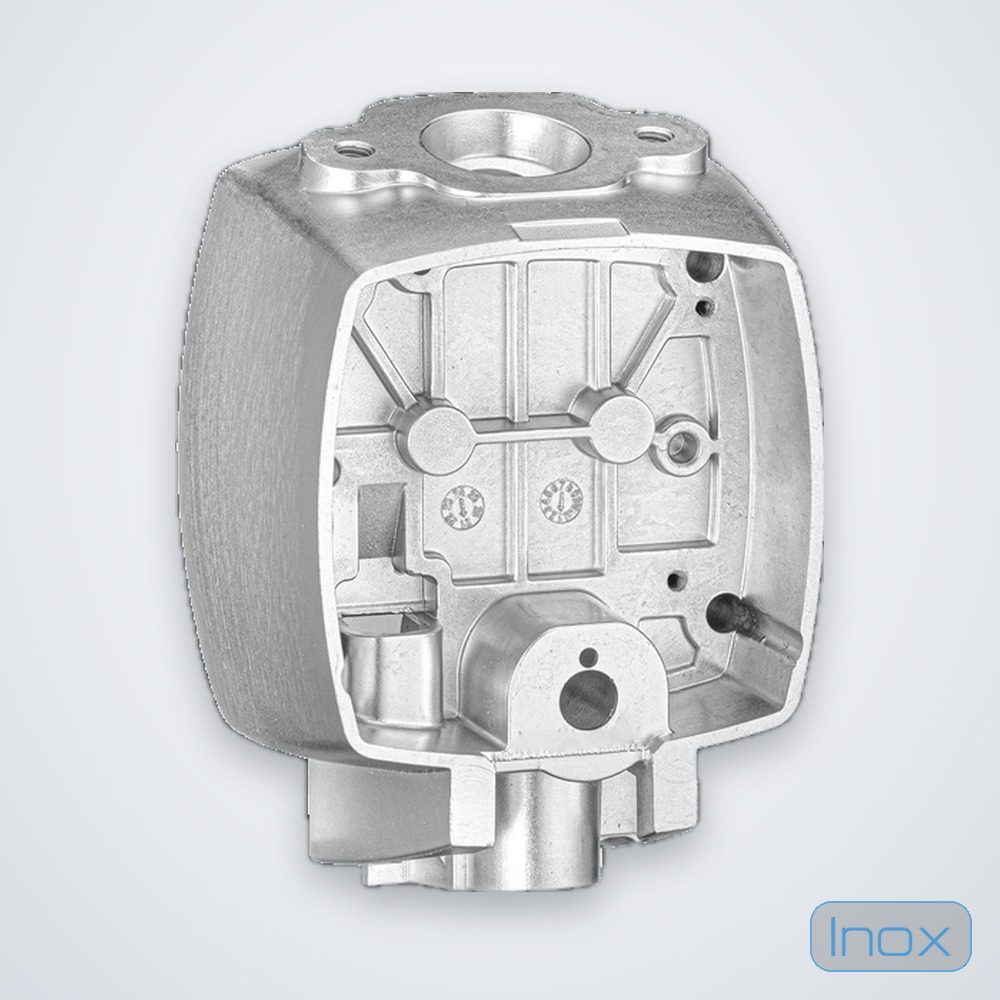
Die casting is how most of the metal housings, brackets, heat sinks and frames around you were made: the casing of a power tool, the heat sink behind an LED street light, the housing of a gearbox, the frame inside an e-bike. All of them start as molten metal pushed into a steel die and come out as a near-finished part in seconds.
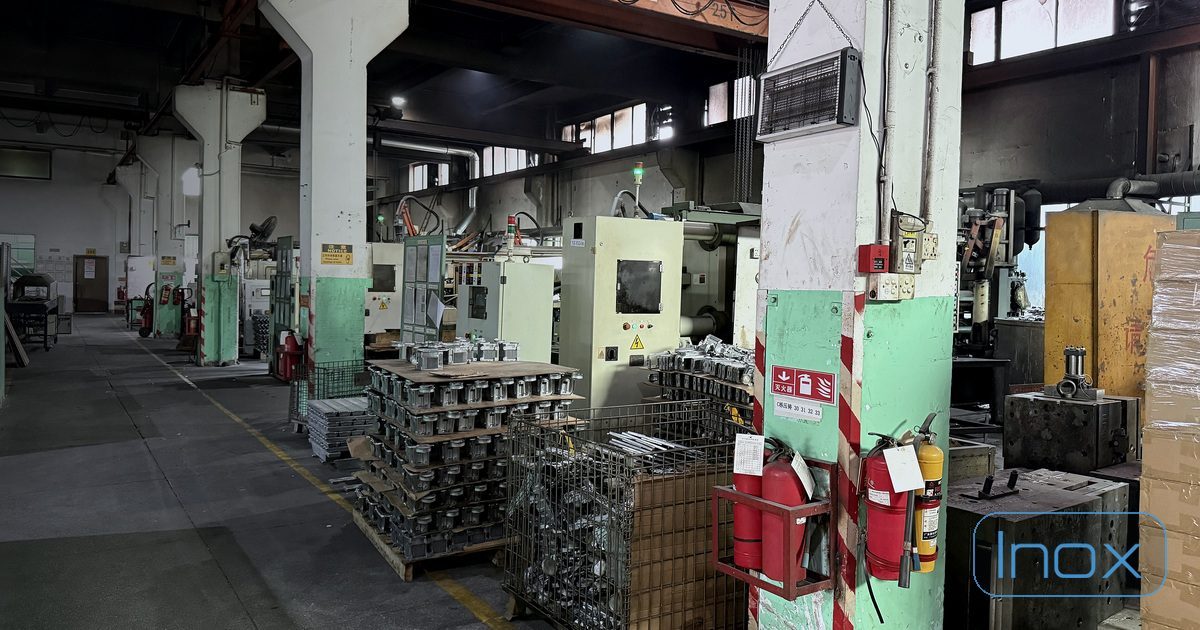
This page explains the term from the factory floor — what the die actually is, what happens in each shot, which metals are cast, and the cases where die casting is the wrong answer. We run hot-chamber and cold-chamber machines for aluminium, zinc and magnesium in Dongguan, and build the dies in our own tool room.
What is die casting?
Die casting is a manufacturing process that forces molten metal under high pressure into a reusable hardened-steel mould, called a die, to make metal parts in seconds. It is used mainly for aluminium, zinc and magnesium alloys, and it suits parts with thin walls, fine detail and consistent dimensions made in volumes from a few thousand upward. The die is expensive; each part made in it is not.
At a glance
- Molten metal, forced at high pressure into a hardened-steel die
- A part every few seconds to a minute, near net shape
- Aluminium, zinc and magnesium — not steel or iron
- The die costs real money; the parts made in it do not
What 'Die Cast' Means
"Die cast" describes how a part was made, not what it is made of. A die-cast part is one that was formed by forcing molten metal into a steel die. When people say "die-cast metal" they usually mean one of three alloy families — aluminium, zinc or magnesium — shaped this way.
The phrase is familiar from die-cast model cars. Those are die castings too, almost always in a zinc alloy (Zamak), which is why they feel heavy for their size. Industrial die casting uses exactly the same principle for engine housings, electronics enclosures and appliance parts.
"Die casting" and "casting" are not the same word for the same thing. Casting is the whole family of processes that pour or push molten metal into a mould. Die casting is the branch that uses a reusable steel die and pressure. Sand casting, investment casting and gravity casting are the others, and each makes a different trade between tooling cost, part size and finish.
What the Die Is, and What Happens in Each Shot
The die is a two-part mould machined from hardened hot-work tool steel such as H13. One half is fixed to the machine, the other moves. Together they hold the cavity in the shape of the part, plus the runners and gate that feed metal in, overflows that catch the first cold metal, vents that let air out, cooling channels that pull heat away, and ejector pins that push the finished part out. Moving cores and slides form holes and undercuts the two halves cannot.

A shot runs in the same order every time. The machine clamps the die shut. Molten metal is injected through the gate at high speed, filling the cavity in a fraction of a second. Pressure is held while the metal solidifies, so the part packs out against the die walls. The die opens, ejector pins push the casting out, and the gate, runners and overflows are trimmed off. Depending on the size of the part, the whole cycle takes from a few seconds to about a minute.
There are two families of machine. In a hot-chamber machine the injection system sits in the molten metal, which makes cycles short; it is used for zinc. In a cold-chamber machine metal is ladled into a separate shot sleeve for each shot; it is used for aluminium, whose melt would attack an immersed pump. Magnesium can run on either, and also as semi-solid metal on dedicated thixomolding equipment.

Most die castings then go on to secondary operations: CNC machining of the faces that need precision, deburring, and a finish such as powder coating or plating. How a die casting is machined after casting.
Which Metals Are Die Cast
Aluminium — the most common. Alloys such as A380 and ADC12 give a light, stiff part with good heat transfer: housings, heat sinks, brackets, gearbox and motor covers.
Zinc — alloys such as Zamak. Heavier, but it fills the thinnest walls and the finest detail, gives the best surface for plating, and is easy on the die: hardware, small housings, connectors, decorative parts.
Magnesium — alloys such as AZ91D and AM60B. The lightest structural metal that can be die cast, used where weight matters most: e-bike and scooter frames, automotive parts, electronics frames.
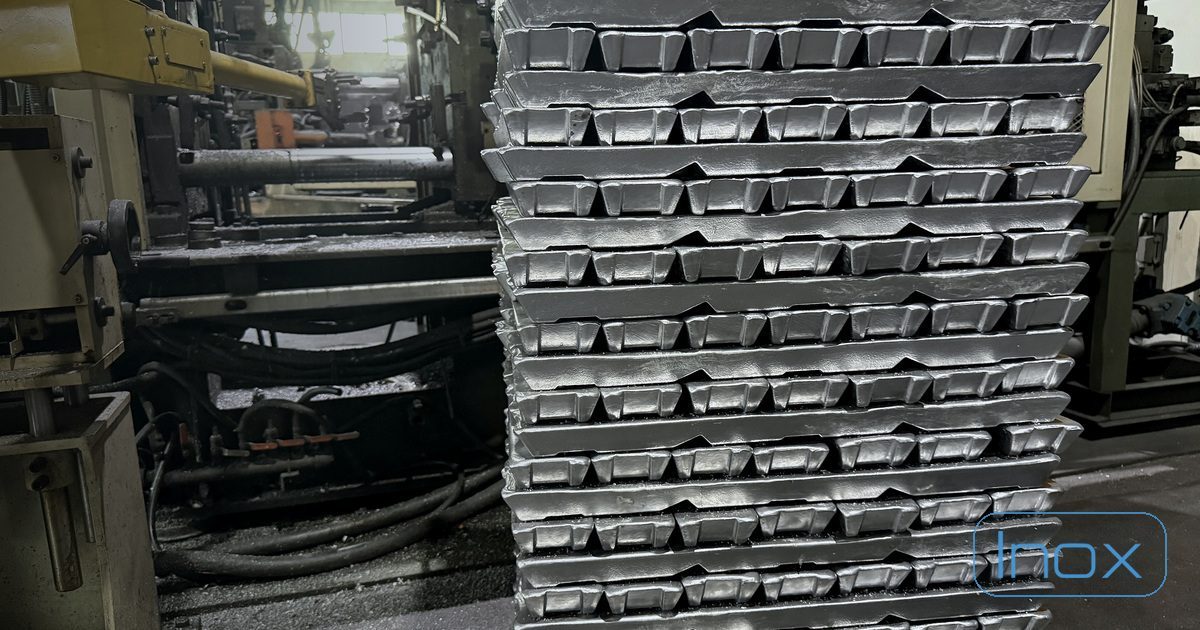
Steel and iron are not die cast: their melting point is too high for a steel die to survive. Ferrous parts are sand cast, investment cast or forged instead.
Frequently Asked Questions
What does die cast mean?
It means a part was made by die casting: molten metal forced under high pressure into a reusable hardened-steel die. 'Die-cast aluminium' or 'die-cast zinc' is the metal plus the process. The term describes how the part was made, not a material of its own.
What is a die in casting?
The die is the steel mould. It is made in two halves from hardened hot-work tool steel and contains the cavity in the shape of the part, the gate and runners that feed metal in, vents, cooling channels and ejector pins. One die makes a large number of parts over its life, which is why its cost is spread across the whole program.
What is die cast metal?
Metal that has been shaped by die casting — in practice almost always an aluminium, zinc or magnesium alloy. Die-cast model cars, for example, are usually a zinc alloy called Zamak. Steel and iron are not die cast because their melting point is too high for a steel die.
What is the difference between casting and die casting?
Casting is the general family of processes that shape molten metal in a mould. Die casting is the type that uses a reusable steel die and high pressure. Sand casting uses a new sand mould for every part and gravity; investment casting uses a ceramic shell around a wax pattern. Die casting has the highest tooling cost and the lowest cost per part at volume.
Is die casting expensive?
The die is: it is a precision tool machined from hardened steel, and it is the largest single up-front cost. Each part made in it is cheap, because a cycle takes seconds to a minute and needs little machining afterwards. Die casting is therefore economical at volumes from a few thousand parts upward, and usually the wrong choice for a few hundred.
When is die casting the wrong choice?
For low volumes, where a die never pays for itself; for steel or iron parts; for very large parts beyond the size of the biggest machines; and for parts that need full heat treatment, because conventional high-pressure castings contain some porosity that can blister when heated. Sand casting, investment casting or machining from solid is usually better there.
Where to Go Next
Is die casting right for your part?
Send the Drawing and the Quantity
Tell us the part, the metal and how many you need over the program. We will tell you whether die casting pays for itself — and if another process is the better answer, you will hear that too.
Last reviewed October 2026 · Inox Die Cast, Dongguan